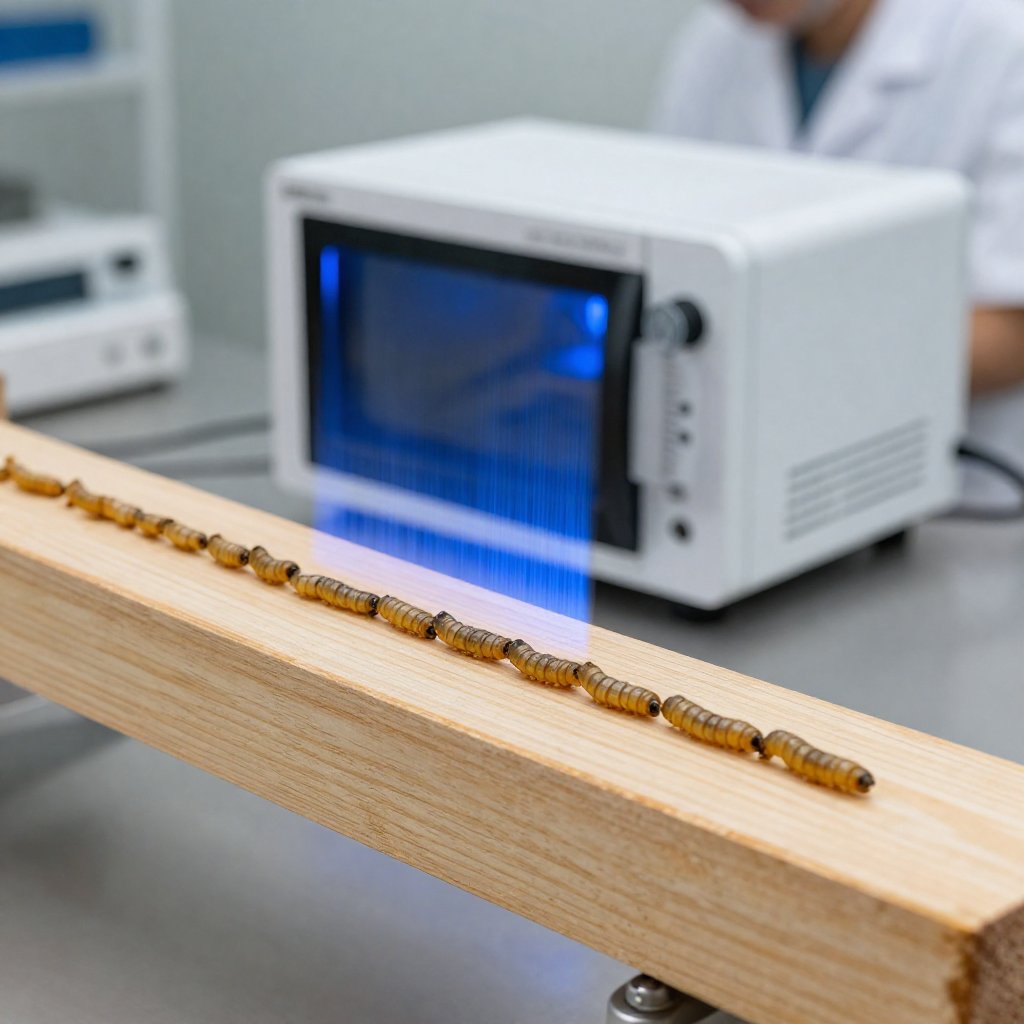
Preparing your home before a woodworm treatment helps ensure the process is carried out safely, efficiently, and with minimal disruption. Whether the infestation affects structural timber, roof beams, flooring, furniture, or decorative woodwork, taking a few simple steps beforehand can make it easier for professionals to inspect and treat the affected areas.
Preparation requirements vary depending on the treatment method and the location of the infestation. However, most homeowners benefit from improving access to affected timber, protecting valuable belongings, and addressing any moisture problems that may have contributed to the infestation.
This guide explains how to prepare your home for a woodworm treatment and what you can expect before the work begins.
Confirm the Infestation
Before preparing for treatment, ensure the infestation has been properly identified.
A professional inspection should determine:
- Whether the infestation is active
- The wood-boring beetle species involved
- The extent of the damage
- Which timber has been affected
- The most appropriate treatment method
Accurate diagnosis helps avoid unnecessary work.
Understand the Planned Treatment
Preparation depends on the type of treatment being carried out.
Professional options may include:
- Approved chemical treatments
- Localized timber treatments
- Heat-based technologies
Ask your pest control provider to explain any specific preparation requirements before the appointment.
Clear Access to Affected Areas
Technicians need safe access to the infested timber.
Move or remove items that may block access, including:
- Furniture
- Storage boxes
- Rugs
- Decorations
- Shelving (where practical)
Common treatment locations include:
- Roof spaces
- Attics
- Basements
- Crawl spaces
- Wooden floors
- Structural beams
Good access helps the work proceed more efficiently.
Protect Valuable Belongings
Although preparation requirements vary, it is sensible to protect valuable possessions before treatment.
Consider:
- Covering delicate furniture.
- Removing fragile decorative items.
- Storing important documents safely.
- Protecting valuable antiques where appropriate.
Ask the treatment provider if any additional precautions are recommended.
Inspect for Moisture Problems
Some wood-boring beetle species are more likely to infest timber with elevated moisture levels.
Check for:
- Roof leaks
- Plumbing leaks
- Condensation
- Poor ventilation
- Damp timber
Resolving moisture issues helps reduce the likelihood of future infestations.
Improve Ventilation
Good airflow supports timber preservation.
Where practical:
- Open suitable ventilation points.
- Clear blocked air vents.
- Improve airflow in roof spaces.
- Reduce unnecessary humidity.
Proper ventilation also helps maintain healthier indoor conditions.
Prepare Roof Spaces and Basements
Roof spaces and basements are common inspection areas.
Before the appointment:
- Remove unnecessary stored items.
- Ensure pathways are clear.
- Improve lighting if possible.
- Keep access hatches unobstructed.
Safe access benefits both the inspection and treatment process.
Inform the Technician About Previous Treatments
If the property has been treated before, provide details if available.
Helpful information includes:
- Previous pest treatments
- Timber repairs
- Water damage
- Renovations
- Moisture problems
This background helps the technician assess the property more accurately.
Microwave Woodworm Treatment
One increasingly popular chemical-free option is microwave woodworm treatment.
Professional microwave equipment uses dielectric heating to generate controlled heat inside timber.
The treatment is designed to eliminate:
- Woodworm larvae
- Beetle eggs
- Pupae
- Adult wood-boring beetles
Benefits
- Chemical-free
- No pesticide residues
- Localized treatment
- Minimal disruption
- Environmentally responsible
- Suitable for many heritage buildings
- Helps preserve original structural timber
For microwave treatment, technicians typically require direct access to the affected timber so the equipment can be positioned correctly. Your treatment provider will advise if any additional preparation is necessary.
After the Treatment
Following treatment:
- Continue monitoring the affected timber.
- Inspect for signs of moisture.
- Maintain good ventilation.
- Keep up with routine timber inspections.
- Follow any maintenance advice provided by your pest control professional.
Long-term care helps protect treated timber.
Home Preparation Checklist
Before treatment:
- Confirm the infestation is active.
- Clear access to affected timber.
- Move furniture where necessary.
- Protect valuable belongings.
- Inspect for moisture problems.
- Improve ventilation.
- Clear access to attics and basements.
- Share information about previous treatments.
A little preparation helps ensure a smooth treatment process.
Why Preparation Matters
Proper preparation can:
- Improve access to infested areas.
- Help technicians work more efficiently.
- Protect valuable belongings.
- Reduce unnecessary delays.
- Support a thorough inspection and treatment.
Good preparation contributes to a more effective overall outcome.
Common Mistakes to Avoid
Avoid these common errors:
- Blocking access to affected timber.
- Ignoring moisture problems before treatment.
- Assuming all exit holes indicate active woodworm.
- Forgetting to mention previous repairs or treatments.
- Delaying treatment after confirming an active infestation.
Being prepared helps the process run more smoothly.
Common Myths About Preparing for Woodworm Treatment
Myth 1: Every Room Must Be Emptied
Fact: In most cases, only the areas containing affected timber need to be accessible. Your pest control provider will explain what is required for your specific situation.
Myth 2: Preparation Is the Same for Every Treatment
Fact: Preparation depends on the treatment method, the location of the infestation, and the condition of the timber.
Myth 3: Once the Treatment Is Finished, No Further Maintenance Is Needed
Fact: Regular inspections, moisture control, and good ventilation remain essential for protecting timber and reducing the risk of future infestations.
Conclusion
Preparing your home before a woodworm treatment helps ensure the process is efficient and effective. By confirming the infestation, clearing access to affected timber, protecting valuable belongings, addressing moisture problems, and following your pest control provider’s instructions, you can help create the best conditions for successful treatment.
Whether your property requires a traditional chemical treatment or a modern microwave woodworm treatment, preparation is an important part of protecting your timber. Combined with routine inspections, moisture management, and ongoing maintenance, these steps help preserve wooden structures and reduce the likelihood of future woodworm problems.Visit https://www.shashel.eu online for more details.